Recycling and Sustainability for Landscaping Staines
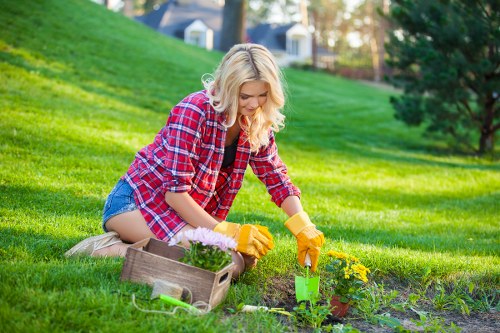 At Landscaping Staines, sustainability is built into the way outdoor spaces are planned, maintained, and renewed. From green waste handling to material reuse, every stage of a project is considered with a lower environmental impact in mind. The aim is not only to create attractive gardens and grounds, but also to reduce landfill use, support local circular economy practices, and keep valuable materials in use for longer. In a borough where households and businesses are increasingly expected to separate waste carefully, our approach reflects the wider movement toward responsible resource management.
One of our key commitments is a recycling percentage target of 90% across suitable landscaping waste streams, including soil, timber, green cuttings, stone, and selected hard landscaping materials. This target is reviewed regularly and measured against the volumes taken from site. By sorting waste at source and choosing the right recovery route, our landscaping Staines service can divert a significant proportion of materials away from disposal. Where possible, reusable aggregates and timber are separated for recovery, while biodegradable material is directed into composting or specialist processing.
 This focus on recycling aligns with local expectations across Spelthorne and neighbouring boroughs, where waste separation is increasingly structured around clear categories such as food waste, dry mixed recycling, garden waste, and residual rubbish. In practical terms, that means our teams are careful about how site waste is collected and prepared for onward transfer. We also make sure that mixed loads are avoided whenever possible, since cleaner separation improves the chance of genuine reuse. For Staines landscaping projects, this attention to detail helps support better outcomes for both the environment and the client.
We work closely with local transfer stations and licensed waste facilities to ensure that materials are handled lawfully and efficiently. These facilities play an important role in sorting, weighing, and routing waste toward the correct processing stream. When landscaping projects generate mixed arisings, transfer stations help identify what can be recycled, what can be recovered, and what must be treated as residual waste. This process is especially important for heavier items such as paving rubble, topsoil, and broken concrete, which can often be screened and reused rather than discarded.
Our approach also includes partnerships with charities and community reuse organisations. Usable items such as garden furniture, planters, surplus materials, fencing components, and selected decorative pieces may be passed on where appropriate, provided they meet safety and quality standards. These partnerships help extend the life of items that still have value and support local groups that benefit from donated goods. In this way, Landscaping Staines contributes not just to recycling, but to reuse, repair, and social value across the area.
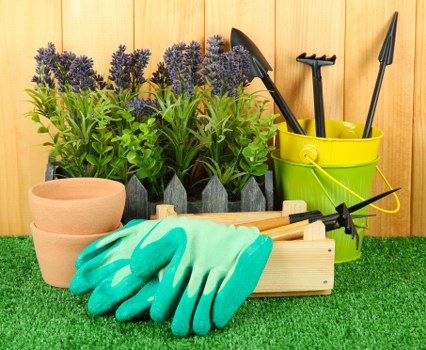 The same principle applies to green waste. Branches, grass cuttings, hedge trimmings, and leaves are kept separate from inert construction waste so that they can be sent for composting or biomass recovery. This is particularly relevant in a region with many private gardens, communal grounds, and riverside planting schemes, where regular maintenance creates steady volumes of organic material. By treating green waste as a resource, Staines landscaping operations can support soil improvement and reduce the need for synthetic alternatives in future planting projects.
Transport is another major part of our sustainability strategy. We are steadily increasing the use of low-carbon vans across our fleet, including more fuel-efficient vehicles and reduced-emission options where practical. These vans help lower the environmental footprint of travelling to and from sites, especially on multi-stop routes throughout Staines and surrounding areas. Better route planning further reduces unnecessary mileage, while regular maintenance ensures vehicles perform efficiently and responsibly.
Using lower-emission transport is not only about fuel savings; it also supports cleaner air in built-up neighbourhoods and along busy local roads. For landscaping work, where crews often move tools, plants, and recycled materials between several sites in one day, fleet choice matters. A more efficient vehicle strategy contributes to a lower-carbon service without compromising the flexibility needed for garden and grounds projects. This makes sustainable landscaping Staines delivery more practical as well as more responsible.
We also look for opportunities to reuse materials within the landscape itself. For example, stone offcuts may be suitable for drainage layers, timber may be repurposed for temporary edging or habitat features, and composted organics can return to the soil as mulch or bedding support. These choices reduce demand for newly manufactured products and help keep the project cycle more circular. In many cases, the most sustainable option is not to buy new, but to reassign what already exists.
 Beyond recycling, we take a wider view of sustainability by considering how outdoor spaces can be managed for the long term. That includes selecting durable materials, reducing unnecessary waste at the planning stage, and choosing methods that minimise disturbance. By combining careful procurement with responsible waste handling, our landscaping Staines work supports greener outcomes from start to finish. We aim to make each project cleaner, simpler, and more efficient without losing sight of quality.
Where suitable, we separate items into categories that match local recovery systems, helping ensure that materials are directed to the correct pathway. This can include segregating soil from hardcore, keeping metal fixings apart from timber, and isolating clean green waste for organic processing. Such practices mirror the broader borough approach to waste separation, where residents are encouraged to sort materials accurately so recycling streams remain effective. Small improvements in sorting can make a substantial difference in recovery rates.
 Landscaping Staines is committed to practical sustainability that can be measured in real-world actions: higher recycling rates, better reuse, lower emissions, and stronger links with local recovery partners. Whether a project involves a private garden, commercial grounds, or communal landscaping, the aim remains the same: deliver a high-quality outdoor space while keeping environmental impact as low as possible. Through careful waste separation, charity partnerships, local transfer station use, and low-carbon vans, our approach helps turn everyday landscaping activity into a more responsible and resource-conscious process.