Insurance and Safety for Landscaping Staines
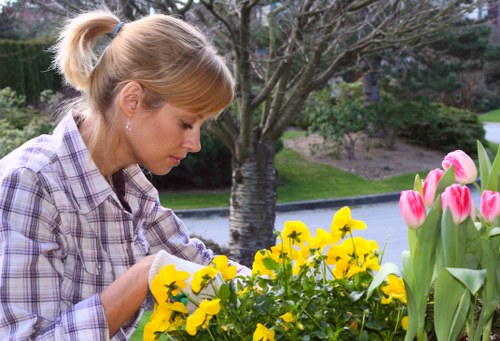 When planning and delivering professional outdoor work, safety is never an afterthought. For Landscaping Staines, a strong safety culture protects clients, staff, visitors, and property while also helping every project run smoothly. Whether the task involves turfing, hedge cutting, fencing, paving, or seasonal garden maintenance, the right procedures reduce avoidable risks and support a consistently high standard of service. A well-managed landscaping service in Staines should always combine practical skill with clear safety controls and dependable cover.
One of the most important parts of this approach is public liability insurance. This cover is designed to protect against accidental damage or injury that may occur during landscaping work. In a busy garden or commercial outdoor space, there are many potential hazards, from tools and machinery to slippery surfaces and moving materials. With the right insurance in place, clients can feel reassured that the business is prepared for unexpected events. For a landscaper in Staines, this is not simply a legal formality; it is an essential part of professional responsibility.
Insurance also supports the wider reputation of a Staines landscaping team. Clients often want to know that the people working on their property take accountability seriously. Public liability insurance is therefore closely tied to trust, reliability, and professionalism. It shows that the business understands the realities of outdoor work and is prepared to manage them carefully. When combined with disciplined site practices, this cover forms a strong foundation for safer project delivery.
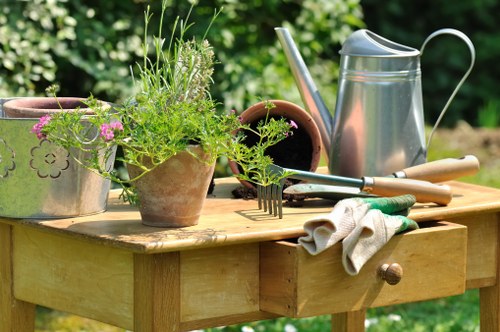 Safety on site begins with staff training. Every member of the team should be familiar with the tools, materials, and tasks they handle, along with the correct procedures for each type of job. Training can include safe lifting techniques, machinery operation, manual handling, hazard recognition, and the correct use of chemicals or fuels where relevant. In landscaping in Staines, where work may take place in changing weather and across varied terrain, training must also cover how to adapt to conditions that increase risk.
Well-trained staff are more confident and more efficient, but the real value of training is the reduction of accidents and mistakes. A professional Landscaping Staines team should ensure that new employees are inducted properly and that existing staff receive refreshers when equipment, procedures, or regulations change. This creates a shared safety standard across the business. It also helps teams spot issues early, speak up about concerns, and work together more effectively on every site.
PPE, or personal protective equipment, is another core part of the safety system. Depending on the task, this may include safety gloves, protective eyewear, steel-toe boots, ear protection, hi-vis clothing, and weather-appropriate outerwear. For cutting, digging, and clearance work, PPE is often essential to reduce the impact of flying debris, sharp tools, and uneven ground. A landscaping contractor in Staines should make sure the correct equipment is available, maintained, and worn consistently.
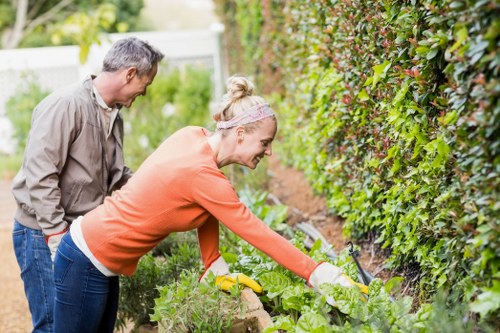 It is not enough to provide PPE only; it must also be used properly. That means selecting the right kit for the task, checking it before use, replacing damaged items, and making sure staff understand why each item matters. Good PPE practice supports a safer working environment and helps maintain productivity without compromising wellbeing. In a Staines landscaping company, this attention to detail reflects a broader commitment to quality and care.
The risk assessment process sits at the heart of safe landscaping work. Before work begins, each job should be reviewed for potential hazards. These may include unstable surfaces, hidden utilities, nearby pedestrians, overhead obstacles, garden ponds, children’s play areas, or the use of powered equipment. A proper assessment identifies who may be harmed, how likely the risk is, and what measures should be taken to control it. This step is especially important for landscaping services in Staines, where domestic and commercial settings can present very different challenges.
Once risks are identified, controls should be put in place and clearly communicated. This might involve setting exclusion zones, adjusting work methods, using safer equipment, or scheduling tasks to avoid busy periods. The assessment should be reviewed as the job progresses because conditions can change quickly. Rain, wind, poor visibility, or unexpected site issues may all require an updated approach. A responsive Staines landscaper understands that safety is dynamic, not static.
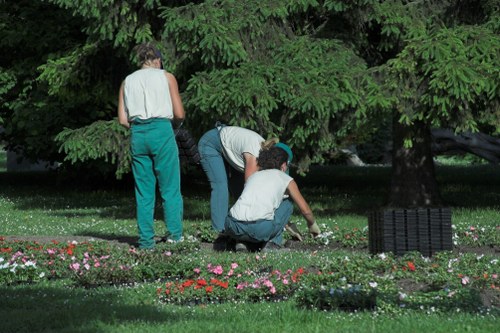 Good risk management also depends on clear record keeping. Documenting assessments, training, PPE checks, and incident reports helps a business monitor patterns and improve over time. It also shows that safety is embedded in daily practice rather than treated as a one-off exercise. For clients choosing Landscaping Staines, this level of organisation provides confidence that every project is being handled with professionalism and care.
In addition to protecting people, robust safety procedures help protect property and the quality of the finished work. Garden features, paving, fencing, plants, and outdoor structures can all be damaged if a site is not managed carefully. By combining insurance, staff training, PPE, and a detailed risk assessment process, a landscape gardener in Staines can reduce disruption and maintain high standards from start to finish. Safe working practices are therefore not separate from good landscaping; they are part of it.
 Ultimately, a dependable landscaping service in Staines should offer more than attractive results. It should demonstrate a clear commitment to safety at every stage of the job. Public liability insurance protects against the unexpected, staff training builds competence, PPE adds an essential physical barrier, and risk assessments keep work controlled and well planned. Together, these elements create a safer, more professional environment for everyone involved.