Landscaping Staines: Creating Beautiful, Practical Outdoor Spaces
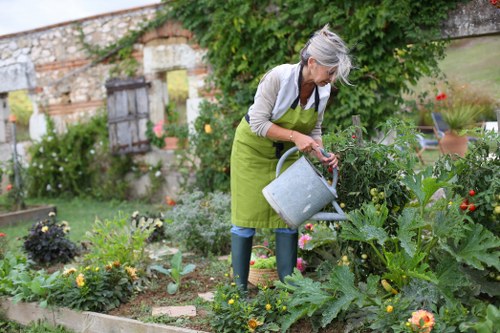 Landscaping Staines is about more than simply making a garden look attractive. It is the thoughtful shaping of outdoor spaces so they work beautifully through the seasons, suit the property they belong to, and reflect the lifestyle of the people who use them. In a place like Staines, where homes range from modern developments to older character properties, the right landscaping can bring structure, comfort, and lasting visual appeal. A well-planned garden does not just add color; it adds value, usability, and a sense of calm.
Homeowners often think of landscaping as planting flowers or laying a lawn, but professional landscaping in Staines can include everything from paving and planting schemes to lighting, seating areas, retaining features, and water elements. The best outdoor spaces are designed with balance in mind. They combine practical function with style, ensuring that the area is easy to enjoy, simple to maintain, and suitable for the local environment.
Staines landscaping projects also need to respond to the realities of the local climate and soil conditions. Rainfall, shade, drainage, and seasonal changes all affect how a garden performs. When these factors are considered properly, the result is a space that looks good throughout the year instead of only during one season. That is one reason why thoughtful landscape design in Staines continues to be such an important investment for property owners.
There is also a strong lifestyle element to modern landscaping. Many people want gardens that can be used for relaxing, entertaining, growing plants, or giving children a safe space to play. Others may want a low-maintenance layout with evergreen structure and simple surfaces. Landscaping Staines can be adapted to all of these goals, which is why no two projects should ever be identical. Each outdoor area has its own opportunities, proportions, and personality.
Well-chosen landscaping can also improve the way a property feels from the inside. Views of greenery, organized borders, and attractive hard landscaping create a better connection between indoor and outdoor living. Even a relatively small garden can feel larger and more welcoming when it is planned carefully. This is especially valuable in urban and suburban settings, where outdoor space often needs to work harder than in larger rural plots.
In many cases, the first step in Staines garden landscaping is understanding what is already there. Mature trees, uneven ground, existing paving, and boundary lines all influence the final design. Good landscaping does not ignore these elements; it works with them. By respecting the natural and structural features of a site, the finished garden feels integrated rather than imposed.
Another important part of landscaping is choosing the right materials. Natural stone, brick, timber, gravel, composite decking, and modern porcelain all offer different strengths. Some materials bring warmth and a traditional feel, while others create a crisp, contemporary style. The best choice depends on the architecture of the home, the amount of use the area will receive, and the overall character desired. In Staines landscaping, these decisions are central to achieving a design that looks cohesive and lasts well.
Durability matters just as much as appearance. Outdoor materials are exposed to rain, frost, sunlight, foot traffic, and occasional heavy use. A paving surface that looks excellent on day one should also remain safe and attractive years later. The same applies to planted areas. Shrubs, perennials, climbers, and trees should be selected not only for color and shape but for their ability to thrive in local conditions with sensible care.
Planting design is often one of the most rewarding parts of landscaping Staines gardens. A strong planting scheme gives a garden seasonal movement, texture, fragrance, and biodiversity. It can soften hard edges, provide privacy, attract pollinators, and create focal points. A carefully layered garden might include ground cover, mid-height shrubs, ornamental grasses, and structural trees, producing interest at different levels throughout the year.
One of the best features of modern landscaping is flexibility. A garden can be designed for families, retirees, professionals, or anyone who simply wants to enjoy a more usable outdoor environment. Some homeowners prefer a sleek, minimal look with clean lines and subtle planting. Others want a lush, natural setting with curved borders and abundant color. Garden landscaping in Staines can be tailored to either approach or a combination of both.
Function should never be overlooked. Paths need to connect areas logically. Steps should feel comfortable and safe. Slopes may need terracing or retaining solutions. Drainage should be considered from the start to prevent standing water or damage to lawns and planting beds. When these practical details are handled well, the outdoor space becomes easier to live with every day.
Lighting is another feature that can transform a garden after dark. Subtle illumination along paths, around planting, or near seating areas improves both atmosphere and safety. Warm lighting can make a small garden feel inviting in the evening, while carefully placed accents highlight textured walls, specimen trees, or water features. In many landscaping Staines projects, lighting becomes one of the finishing touches that elevates the whole design.
Hard landscaping and soft landscaping work best when they support one another. Hard landscaping refers to the built elements such as patios, retaining walls, steps, edging, decking, and paving. Soft landscaping includes lawns, plants, soil improvement, mulch, and living features. A successful project balances these components so the space feels complete. Too much hard landscaping can feel stark, while too much planting without structure can look untidy or be difficult to maintain.
In a town like Staines, where properties may have compact gardens or awkwardly shaped plots, intelligent use of space is especially important. A well-placed patio can create an outdoor dining area. A raised bed can turn an unused corner into a feature. A narrow side return can become a practical passage with decorative planting. These improvements may seem modest individually, but together they create a garden that feels intentional and much more valuable.
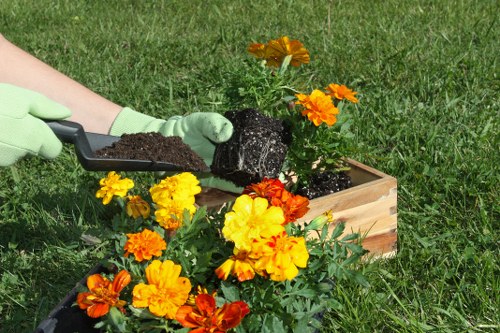 Tree selection also plays a major role in landscaping Staines homes. Trees add height, seasonal change, shade, privacy, and structure. Small ornamental species are ideal for urban and suburban gardens where space is limited, while larger varieties can provide drama in more generous plots. The key is to match the tree to the available space and the desired effect. Poorly chosen trees can create future maintenance issues, but well-chosen ones become defining features of the landscape.
Sustainable thinking is increasingly important in landscape design. Many property owners now want gardens that use water wisely, support wildlife, and require less ongoing input. This does not mean a garden has to look wild or unkempt. It means selecting resilient plants, improving soil health, using permeable surfaces where appropriate, and planning maintenance levels realistically. Landscaping Staines can absolutely be both beautiful and environmentally responsible.
Permeable paving, rain-friendly planting beds, and drought-tolerant species can all contribute to a more sustainable garden. Mulching helps reduce evaporation and suppress weeds. Native and pollinator-friendly plants can support birds, bees, and butterflies while still offering strong visual appeal. Even the layout of a garden can help with sustainability by reducing wasted lawn space and making better use of sun and shade.
Many gardens in Staines benefit from a sense of enclosure. Boundary planting, trellis panels, hedging, and layered shrubs can create privacy without making the space feel boxed in. This is especially useful in gardens overlooked by neighboring properties. With the right combination of screening and open space, a garden can feel secluded while still retaining light and air. That balance is one of the hallmarks of good landscaping in Staines.
The role of texture should not be underestimated. A garden becomes richer when smooth surfaces are contrasted with rough bark, soft foliage, architectural leaves, and tactile stone. Repetition can create calm, while contrast creates drama. Good designers use these effects deliberately. For example, a crisp paved terrace may be softened with ornamental grasses, or a plain fence may be brought to life with climbers and layered shrubs.
Seasonal interest is another reason why landscaping stands out when done well. Gardens should not rely on flowers alone. Bark, stems, seedheads, evergreen foliage, and structure can make an outdoor space attractive even in winter. Spring bulbs, summer perennials, autumn color, and winter silhouettes all contribute to a space that remains engaging throughout the year. In landscaping Staines gardens, this year-round perspective is particularly valuable.
For family gardens, safety and resilience are often priorities. Surfaces need to be practical underfoot. Lawns may need to withstand regular use. Plant choices should avoid overly thorny or toxic species in play areas. Storage for tools and outdoor items can reduce clutter, while boundaries and level changes should be designed with care. A family-friendly garden can still be stylish; it simply needs to be planned with real life in mind.
Outdoor entertaining is another common goal. Many people want a garden that works as an extension of the home, especially during warmer months. This might mean a dining terrace, a barbecue zone, built-in seating, or a fire feature that draws people together. In a smaller garden, even one well-designed patio can transform the way the space is used. The point is not to fill every inch but to create inviting zones with a clear purpose.
Lawns remain popular, but their role is changing. In some gardens, a large lawn still provides the open, flexible space families enjoy. In others, smaller lawns or lawn alternatives are more practical. Artificial grass, gravel, planting beds, or mixed-use designs may be better suited to a low-maintenance lifestyle. The most effective Staines landscaping projects recognize that the best surface depends on how the garden will actually be used.
Water features can also add a sense of calm and identity. A simple reflective pool, a contemporary rill, or a small bubbling fountain can introduce movement and sound. Water softens hard materials and creates a more sensory experience. In an urban or suburban setting, that sense of tranquility can make a surprising difference. It can turn a standard garden into a retreat.
 When planning a garden, proportions matter. A large patio in a small garden can overwhelm the space, while too many tiny features can make a big garden feel fragmented. Good landscaping design is about editing as much as adding. By deciding what should be emphasized, softened, hidden, or linked together, a garden can be made to feel naturally organized. This is especially useful in landscaping Staines properties where plots vary widely in shape and size.
Edging is often an overlooked detail, yet it contributes greatly to the finished appearance. Clean lines between lawn and border, paving and planting, or gravel and path help a garden look well cared for. Edging also supports maintenance by keeping materials in place. Brick, metal, timber, or stone edging can each create a different mood, from traditional to modern. Though small, these details help define the overall quality of the space.
Color is another powerful design tool. Some gardens use restrained palettes of greens, silvers, whites, and soft blues for a calm atmosphere. Others rely on vibrant reds, yellows, purples, and oranges for energy and drama. Either approach can work well if the color scheme is coherent. In many landscaping Staines projects, the most effective gardens are those where color is used with intention rather than in excess.
Maintenance expectations should be realistic from the outset. A garden that looks stunning but requires constant work may soon become a burden. By contrast, a thoughtfully designed landscape can offer strong visual appeal with manageable upkeep. This might involve choosing shrubs that stay neat, grouping plants with similar care needs, limiting lawn size, or using evergreen structure to reduce seasonal replanting. Landscaping Staines projects often succeed when beauty and practicality are treated as equally important.
There is also a strong relationship between landscaping and property identity. The front garden creates the first impression, while the rear garden shapes day-to-day enjoyment. A neat, attractive front approach can make a home feel cared for before anyone steps inside. A welcoming back garden can become a private outdoor room. Together, they contribute to the sense that the property has been designed thoughtfully from edge to edge.
For older homes, landscaping may need to respect architectural character. Traditional brickwork, cottage-style planting, and softer materials can complement period properties. For contemporary homes, straight lines, restrained planting, and modern finishes may be more suitable. The best landscaping in Staines reflects the house rather than competing with it. When the design language is consistent, the whole property feels more unified.
Outdoor storage, utility areas, and hidden services are often part of a successful landscape, even if they are not the most glamorous features. Bins, tools, bicycles, and garden equipment all need practical homes. Screening these elements carefully can preserve the appearance of the garden without sacrificing convenience. The same applies to drainage covers, access points, and utility routes, which can be integrated discreetly into the design.
One reason landscaping is so valuable is that it improves how a property is experienced every day. Stepping into a well-kept garden after work, seeing attractive planting from a kitchen window, or using a comfortable patio on a summer evening all contribute to everyday enjoyment. These are not luxuries in a superficial sense; they are quality-of-life improvements that make a real difference. A good garden becomes part of how a home functions.
Landscaping Staines also benefits from creativity. Even common elements can be used in original ways. Reclaimed materials may add character. Repeated planting forms can create rhythm. A narrow plot can be transformed with diagonal lines or layered views. A shaded corner can become a leafy sanctuary. Creative thinking allows each garden to express something distinctive while still remaining practical and cohesive.
 Texture and structure are particularly useful in gardens with limited color. Not every outdoor space needs a bold floral display to feel alive. Architectural plants, clipped shapes, vertical features, and layered surfaces can create depth and elegance. This is a useful approach in areas where strong year-round presence matters more than fleeting seasonal effects. In many landscaping Staines schemes, restrained planting is chosen because it looks elegant in all weather conditions.
Privacy planting, boundary solutions, and careful zoning can make a garden feel larger by giving each area a purpose. Rather than seeing the garden as one undifferentiated space, it can be organized into sections for dining, relaxing, playing, and planting. This sense of structure makes outdoor living easier and more enjoyable. It also helps the eye move naturally through the space, which can improve the perception of size.
As trends evolve, the most enduring gardens remain those built on good fundamentals. Reliable construction, healthy soil, suitable plants, and coherent design matter more than short-lived style choices. Trends may influence finishes and features, but a garden designed around its site and its users will continue to feel relevant for years. That is why landscaping Staines should be approached as an investment in long-term enjoyment rather than a purely decorative upgrade.
Many homeowners also appreciate the emotional effect of a well-landscaped garden. Green space can reduce stress, encourage time outdoors, and create a stronger sense of home. Even a modest outdoor area can provide a moment of quiet at the end of the day. The combination of plants, materials, and layout shapes how people feel in a space, and that emotional value is just as important as visual appeal.
When design is carefully managed, a garden can feel open and intimate at the same time. Open areas allow movement and light, while enclosed borders and planted edges offer comfort and shelter. This balance is one of the subtle achievements of successful landscaping. It creates a place that feels both spacious and personal, both orderly and alive.
In practical terms, landscaping in Staines should also account for how the garden will age. Plants will mature, paving will weather, and use patterns may change. A robust design anticipates these changes and still holds together over time. This future-focused approach is part of what separates a quick makeover from a truly lasting outdoor transformation.
 Ultimately, landscaping Staines is about making outdoor space more enjoyable, more useful, and more attractive. It combines planning, materials, planting, and craftsmanship to create gardens that suit the people who use them and the homes they belong to. Whether the goal is a low-maintenance retreat, a lively family garden, or a refined entertaining area, the right design can bring it all together in a way that feels natural and lasting.
A strong landscape does not need to shout to be effective. Often, the most successful gardens are the ones that feel calm, balanced, and well considered. They welcome people in, guide them through the space, and reward them with beauty in every season. With the right blend of soft and hard landscaping, smart planting, and a clear sense of purpose, a garden can become one of the most valuable parts of a property.
For anyone thinking about improving an outdoor area, landscaping Staines offers a wide range of possibilities. From compact urban courtyards to generous family gardens, every space can be shaped into something more practical and more inspiring. When design, function, and planting work together, the result is a garden that not only looks impressive but also enriches daily life in a meaningful way.